Pachikari — the art of inlaying semi-precious stones into marble — is one of the most technically demanding and visually extraordinary crafts ever developed in India. But where did it come from, and when did Agra become its global centre?
Mughal Roots: The Persian Connection
The craft arrived in India with the Mughal emperors, specifically during the reign of Akbar the Great (1556–1605) and later flourished under Shah Jahan (1628–1658). Mughal rulers maintained strong cultural ties with Persia, and Persian craftsmen — skilled in the art of pietra dura (meaning "hard stone" in Italian) — were brought to Agra as part of the imperial court's artistic expansion.
The technique had earlier roots in Florence, Italy, where European craftsmen developed it in the 16th century. The Mughals adapted it, infused it with their own ornamental vocabulary — flowering plants, arabesque patterns, geometric symmetry — and elevated it to a monumental scale.
The Taj Mahal: The Pinnacle of Pachikari
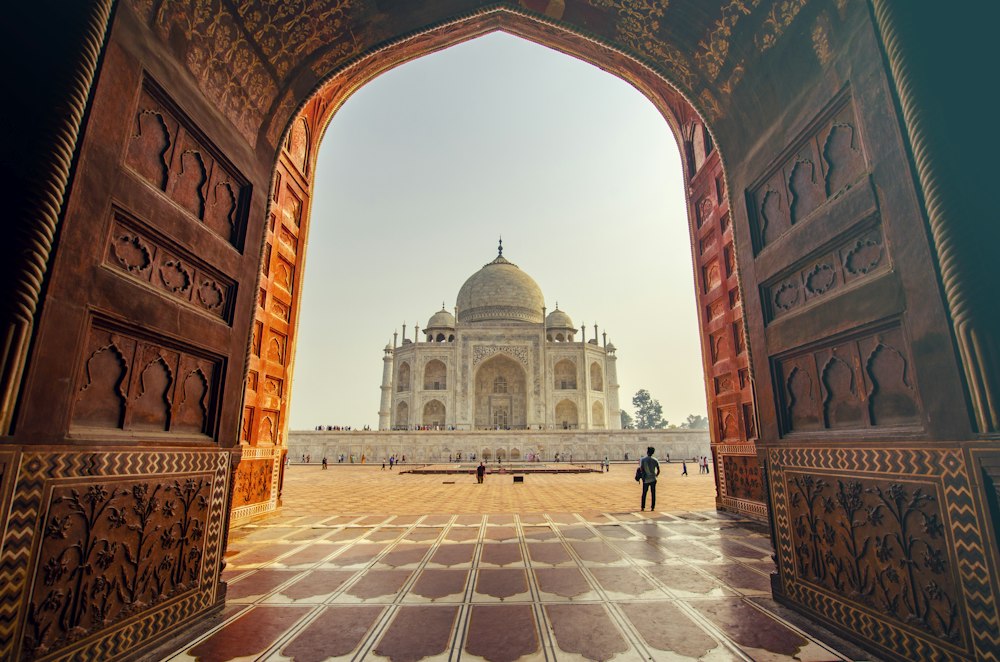
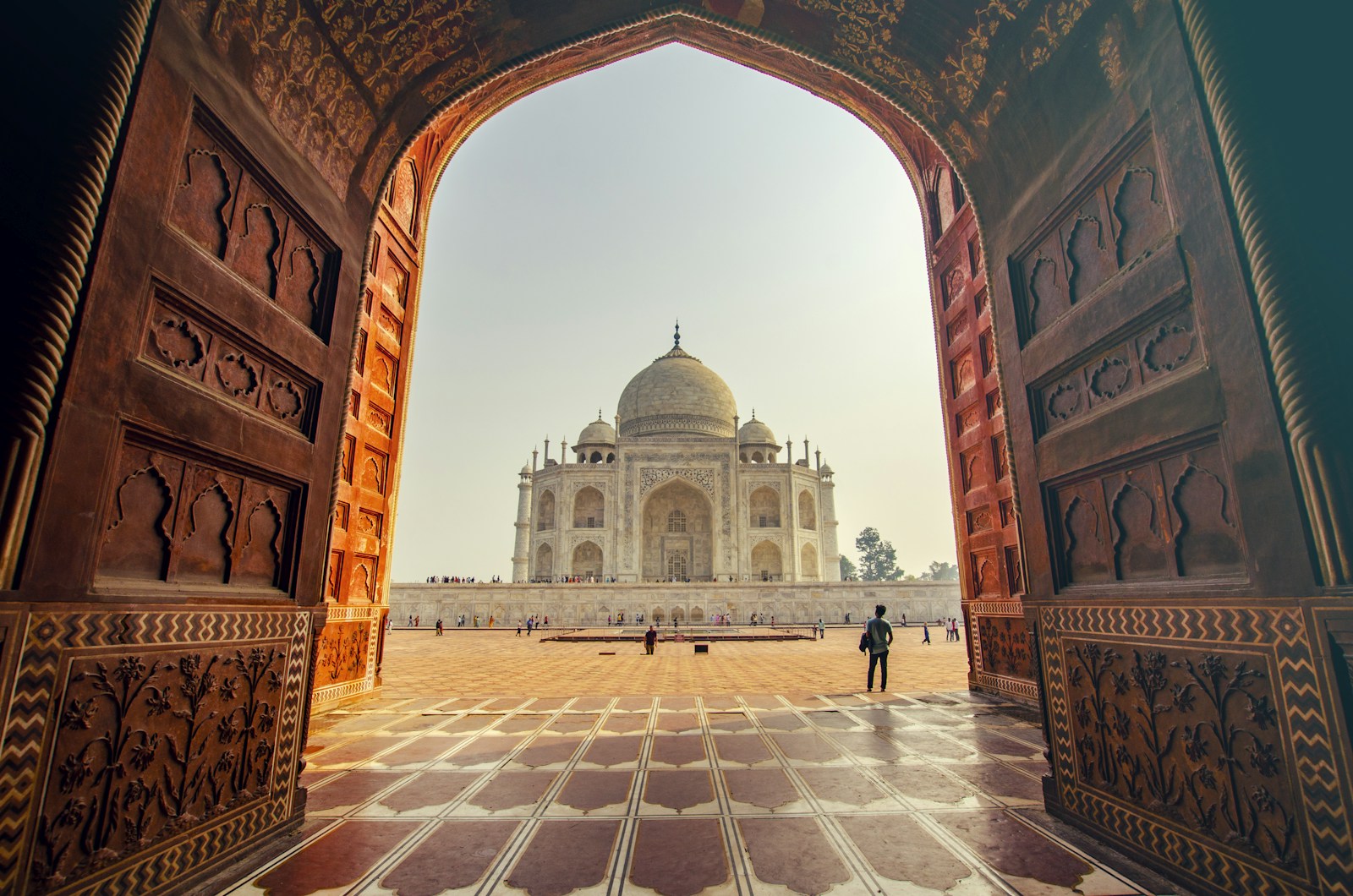
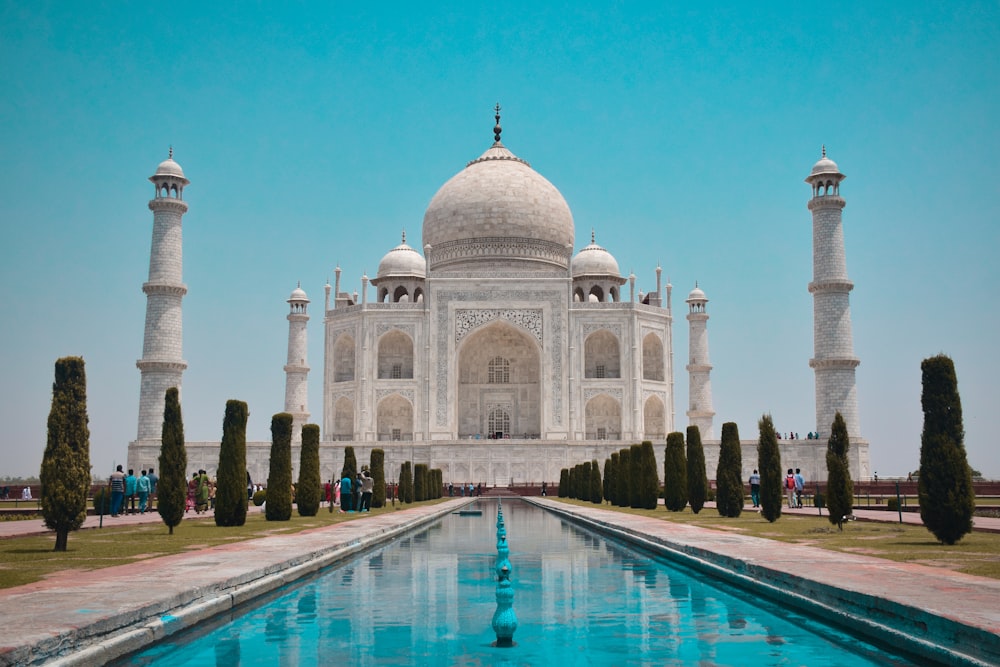
The most famous example of pachikari in the world is the Taj Mahal, built between 1632 and 1653 by Shah Jahan as a mausoleum for his wife Mumtaz Mahal. The white Makrana marble walls of the Taj are adorned with thousands of individual stone inlays — lapis lazuli from Afghanistan, carnelian from Rajasthan, malachite from Russia, turquoise from Iran, and coral from the sea.
Historians estimate that over 1,000 elephants were used to transport building materials, and craftsmen from Persia, Central Asia, and across India were assembled for the project. The stone inlay work alone required decades of labour from hundreds of specialist artisans.
The Artisans of Tajganj and Purani Mandi
Once the Taj Mahal was complete, the craftsmen who had built it settled in Agra — particularly in the Tajganj and Purani Mandi neighbourhoods immediately south of the monument. Their skills were passed from father to son, generation to generation, across four centuries. Today, these same families continue to practice pachikari in workshops that sit within walking distance of the Taj itself.
The community of marble inlay craftsmen in Agra is one of the most concentrated clusters of a single traditional art form anywhere in the world. UNESCO has recognised pietra dura / pachikari as a significant intangible cultural heritage of India.
The Craft Process
Authentic pachikari is painstaking work. A craftsman first draws a design on paper, then transfers it to marble. Using hand tools — small chisels and bow-drills that have changed little in 400 years — shallow channels are carved into the marble surface following the design. Semi-precious stones are then hand-cut to precise shapes to fit into these channels. The finest old work used no adhesive — each stone was cut so precisely that it locked into place through friction alone. Modern pieces typically use a light natural adhesive for durability.
A medium-complexity piece — say, a 30 cm marble plate with a floral design — can take an experienced craftsman 8–12 days to complete. A large dining table with elaborate inlay may take several months of sustained work by a team of artisans.